al-Wird al-Laṭīf
The morning and evening wird of Imam al-Ḥaddād of Tarīm
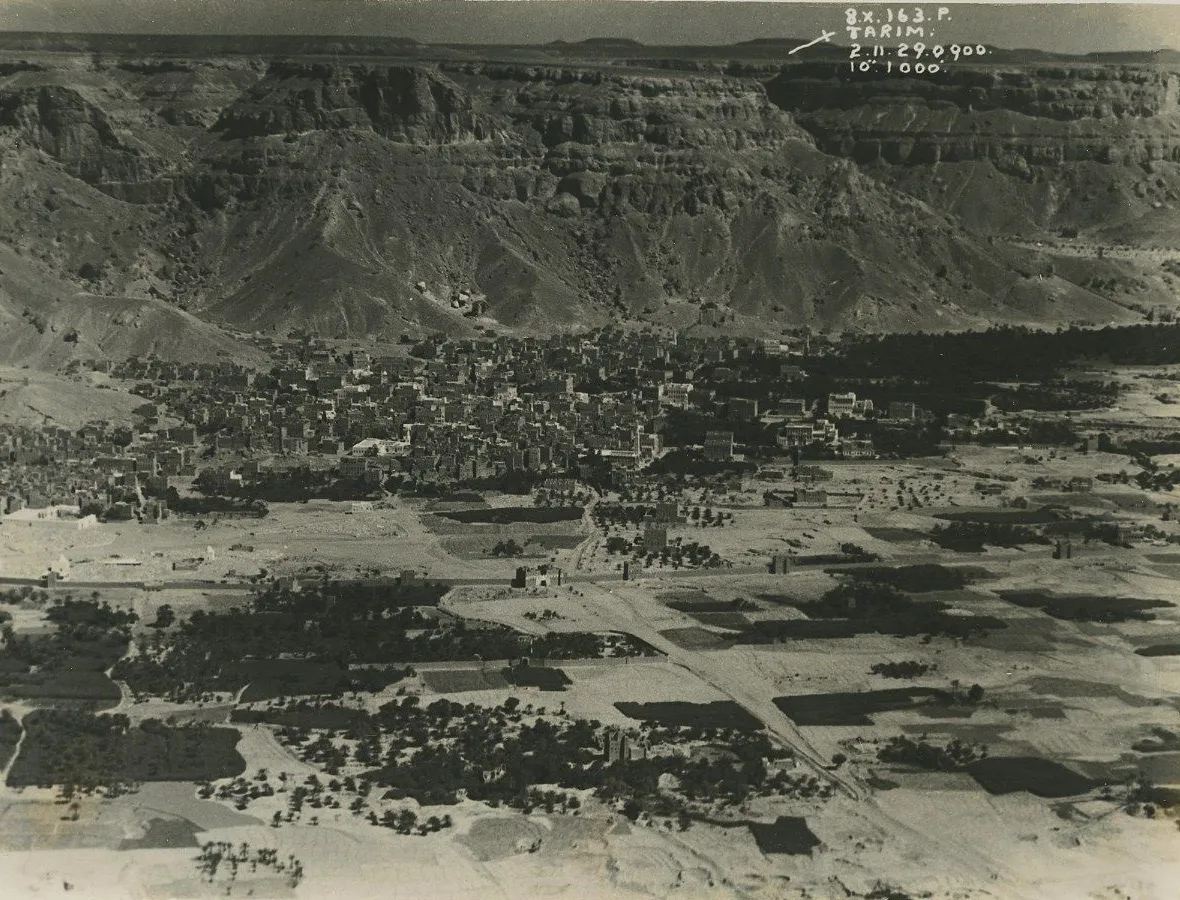
Tarīm from the air at nine in the morning, 2 November 1929.
Open the wirdGathered for his companions
وقد جمعنا لأصحابنا من أذكار الصباح والمساء خاصة نبذة مختصرة مباركة إن شاء الله تعالى
“We have gathered for our companions, from the remembrances of morning and evening, a short and blessed selection, God willing.” Imam al-Ḥaddād, as quoted in al-Maqṣad al-Munīf.
He wrote it beside his long morning and evening wird, al-Wird al-Kabīr, as the shorter of the two. Nearly every line is a verse of the Qurʾān or a supplication handed down from the Prophet, and each line’s source is on the Sources page.
Imam al-Ḥaddād
ʿAbdullāh ibn ʿAlawī al-Ḥaddād was born in 1634 at al-Subayr, on the edge of Tarīm, and lost his sight to smallpox before he was five. He lived and taught in Tarīm, and died at his home in al-Ḥāwī in 1720.
He is counted the renewer of the twelfth Islamic century. His other litanies, among them the Rātib al-Ḥaddād and al-Wird al-Kabīr, are still read today.
عبد الله بن علوي الحداد
- Born
- 1044 AH, 1634, at al-Subayr
- Died
- 1132 AH, 1720, at al-Ḥāwī
- Buried
- Zanbal, Tarīm
- In Tarīm now
- Three hours ahead of GMT
Twice a day
From the middle of the night until Ẓuhr, the morning wird. The Imam counted the morning from after midnight, and liked to read it from just before Fajr until the sun was up.
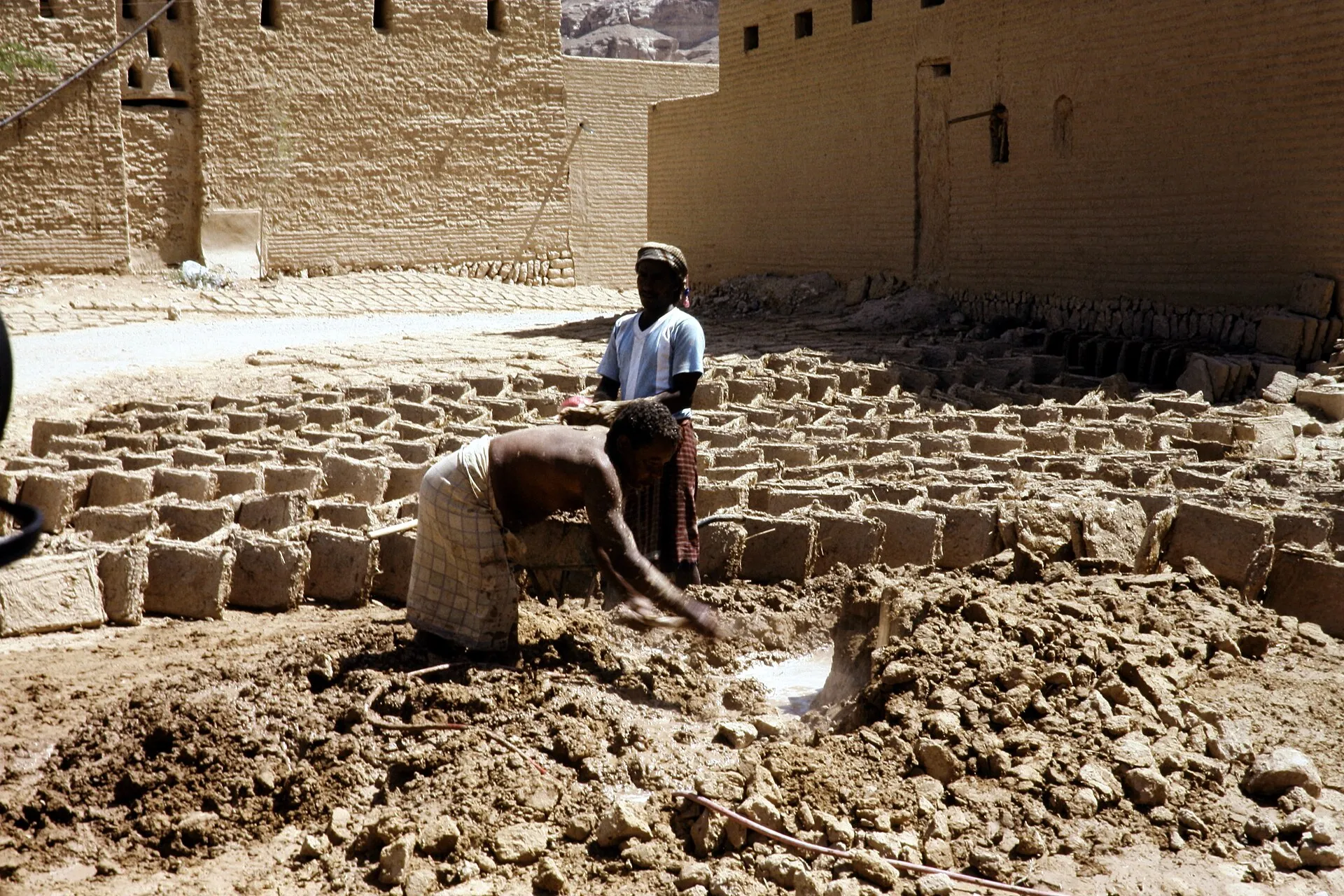
From Ẓuhr until the middle of the night, the evening wird, with the words for morning turned to evening. The evening begins at midday, he wrote, and is best near nightfall. In Tarīm it is read after ʿAṣr, before Maghrib.
If the time passes, Ḥabīb ʿUmar ibn Ḥafīẓ teaches that a morning wird missed after Fajr is still on time until Ẓuhr, and can be made up after it.
In Tarīm, the morning wird runs from the middle of the night until Ẓuhr, and the evening wird from Ẓuhr until the middle of the night.
Read far beyond Tarīm
It is memorised in Yemen, the Ḥijāz and the Gulf, in East Africa and in Southeast Asia, and has been printed wherever it is read.
Printings
| Commentary | Ibn Shihāb, al-Wird al-Qaṭīf | India, 1897 |
| Commentary | Faḍl ibn ʿAlawī ibn Sahl, Sharḥ al-Wird wa-l-Rātib | Istanbul, c. 1900 |
| Commentary | al-Amīn al-Mazrūʿī, Murshid al-Ẓarīf | Kenya |
| Edition | al-Maqṣad al-Munīf, with a source for every line | 2001 |
| Collection | Wasīlat al-ʿIbād, Dār al-Ḥāwī | Tarīm, 1998 |
| Collection | Khulāṣat al-Madad al-Nabawī | Tarīm, 2007 |
| Collection | Majmūʿ al-Awrād of Ḥabīb Zayn ibn Sumayṭ | Medina |
| Collection | Dalīl al-Muslim | Bangil, Java |
| With English | Mostafa al-Badawī, The Prophetic Invocations | United States, 2000 |
| With English | G. Mohamed, Al-Khulāṣah | Cape Town, 2011 |
| With Malay | Ratib Al-Haddad dan Wirdul-Latif | Kuala Lumpur, 2006 |
| With Indonesian | Al-Khulashah | Indonesia, 2019 |